

 Send Inquiry
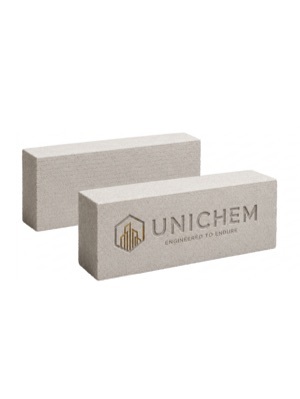
AAC Blocks
Price 4100.0 INR/ Piece
AAC Blocks Specification
- Application
- Residential, Commercial, and Industrial Buildings
- Installation Type
- Dry/Thin Joint Mortar
- Features
- high quality
- Form
- Solid Precast Block
- Color
- Light Grey
- Usage
- Construction of walls, partitions, and panels
- Thickness
- 50 mm to 300 mm Millimeter (mm)
- Material Grade
- IS:2185 (Part 3) - meets international grade specification
- Machines Type
- Block Cutting and Shaping Machines used in production
- Load Capacity
- High Compressive Strength (Typically 3-5 N/mm ) Kilograms (kg)
- Purity
- High Purity Silica, Lime, and Cement Blend
- Product Type
- AAC Blocks
- Main Material
- Autoclaved Aerated Concrete (AAC)
- Surface Treatment
- Smooth Finish
- Size
- 600 mm x 200 mm x 100 mm (standard), available in various sizes
- Weight
- 8-15 kg per block (varies with size) Kilograms (kg)
- Feature
- Lightweight, Soundproof, Thermally Insulated, Fire Resistant
- Shape
- Rectangular
- Durability
- Long-lasting and non-degradable
- Eco-Friendly
- Made from non-toxic, recycled industrial waste; recyclable
- Density
- 550-650 kg/m
- IS Code Compliance
- Conforms to IS: 2185 (Part 3) 1984
- Sound Insulation
- 37-51 dB (depending on thickness)
- Water Absorption
- Less than 10% by weight
- Shipping Details
- Supplied in palletized form for easy handling and transport
- Production Process
- Produced by autoclaving sand, lime, cement, and aluminum powder blend
- Fire Resistance
- Over 4 hours for 150 mm thick wall
- Thermal Conductivity
- 0.16-0.24 W/mK (Excellent insulation)
AAC Blocks Trade Information
- Minimum Order Quantity
- 200 Pieces
- FOB Port
- vadodara
- Payment Terms
- Cash Advance (CA), Cash in Advance (CID)
- Supply Ability
- 5000 Pieces Per Month
- Delivery Time
- 2 Days
- Sample Available
- No
- Sample Policy
- Contact us for information regarding our sample policy
- Main Export Market(s)
- Asia
- Main Domestic Market
- All India
About AAC Blocks
AAC blocks, or Autoclaved Aerated Concrete blocks, are a lightweight, precast building material known for their thermal insulation, durability, and fire resistance. They are made from cement, sand or fly ash, water, and an aeration agent, and are widely used in construction as an alternative to traditional clay bricks and concrete blocks.
KEY BENEFITS-
Thermal Insulation: AAC blocks have excellent thermal insulation properties, helping to keep buildings cooler in summer and warmer in winter, potentially reducing energy consumption for heating and cooling.
Sound Insulation: They can also provide a degree of sound insulation, making interiors quieter.
Fire Resistance: AAC blocks are non-combustible and offer good fire resistance.
Durability: They are strong and durable, offering long-term structural stability.
Sustainability: AAC blocks are often made with fly ash, a byproduct of coal combustion, which helps reduce waste and their environmental impact.
Cost-Effective: While the initial cost per block might be higher than some alternatives, the overall cost of construction can be lower due to factors like reduced mortar usage and faster installation.
Acc blocks, Acc blocks in vadodara, Acc blocks in gujarat, Acc blocks in maharashtra, Acc blocks in india, top Acc blocks , best Acc blocks , high quality Acc blocks

Price:
- 50
- 100
- 200
- 250
- 500
- 1000+


- 801-815 The ICONIC, 30 MTR ROAD, OPP THE LANDMARK, SAMA HARNI LINK ROAD,Vadodara - 390022, Gujarat, India
- Phone : 07971190776
GST : 24ADQPA2017C1ZA

 Send Inquiry
 Send Inquiry
 Send SMS
Developed and Managed by Infocom Network Private Limited.
